Are you ready to take the first step toward a healthier lifestyle? Learn about your weight loss options at Loma Linda University Health.
Watch our informational video to learn more about bariatric surgery and available treatment options, then complete our contact form to connect with our team.
Our on-demand video provides an overview of surgical weight loss options and what to expect from the bariatric journey at Loma Linda University Health.
All procedures are performed minimally invasively.
Our patients generally have a one-night stay in the hospital and are able to go home the next day.
Bariatric surgery is one of the most powerful tools available to treat patients who may be morbidly obese or obese with medical conditions.
Our team has helped thousands of people achieve lasting weight loss.
Weight loss surgery at
Loma Linda University Health
Obesity is a complex and chronic disease that often seems to defy our best efforts. If you need help losing weight, the Metabolic and Bariatric Surgery program at Loma Linda University Health offers effective tools and services to help you first achieve and ultimately maintain better health and improved quality of life. Our respected team of medical professionals and fellowship-trained surgeons is dedicated to your lifelong success. Learn about your options by attending our free on-demand weight loss seminars.
Whole-person care is extremely important at Loma Linda University Health. Bariatric surgery is one tool when it comes to treating obesity and our patients’ journey. Diet, education and mental health professionals are all involved in making sure our patients have long-term success.
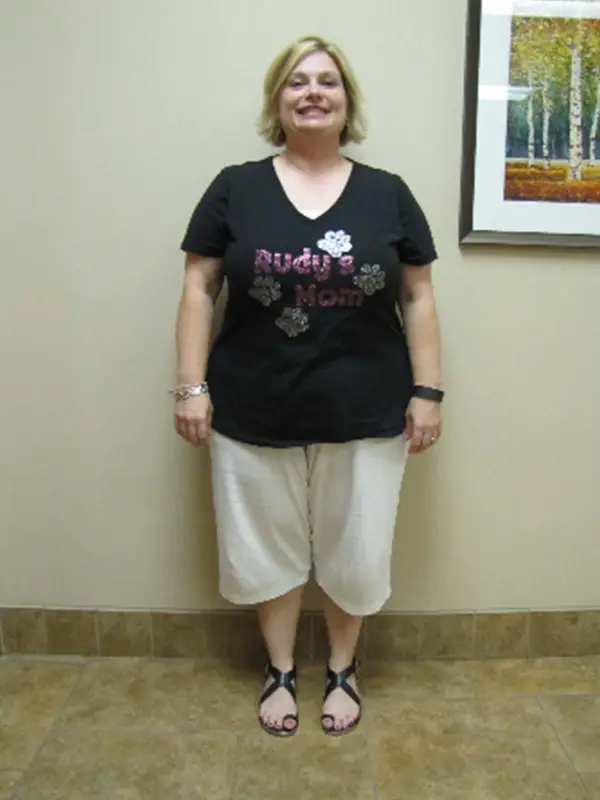
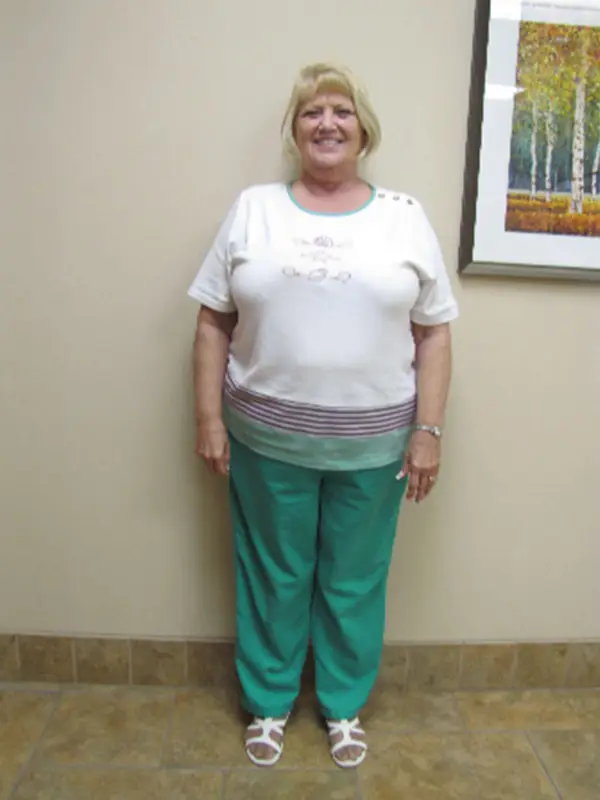
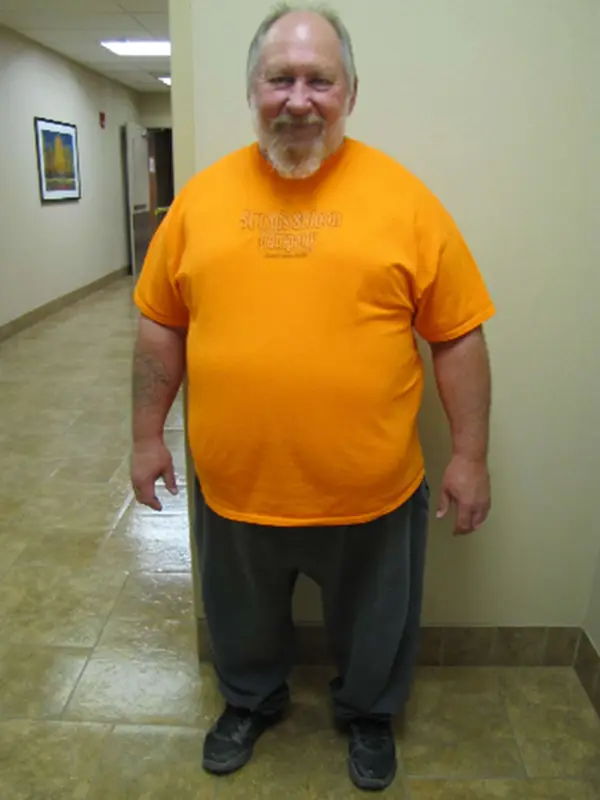
View our patients’ weight loss journeys
Corinne: 70 pounds
Lenora: 80 pounds
Lyle: 157 pounds
Hear from our patients
Learn how bariatrics at Loma Linda University Health transformed these patients’ bodies and their lives!
“I was always into fitness but struggled with eating. After my weight loss surgery in 2015, I lost 70 pounds and 50 inches. Anyone can do this!”
— Corinne
“During my weight loss, I couldn’t keep up with my active daughter. Now, she can’t keep up with me! I lost the equivalent of a whole person. But I gained confidence and self-esteem. I got my life back.”
In the Roux-en-Y gastric bypass procedure, the surgeon creates a small stomach pouch and reroutes a portion of the small intestine to this new pouch. This reduces the amount of food you can eat and changes how your body absorbs nutrients, supporting significant and lasting weight loss.
By combining restriction and metabolic changes, gastric bypass can also improve or resolve certain obesity-related medical conditions.
Laparoscopic gastric sleeve surgery
Sleeve gastrectomy promotes weight loss by reducing the size of the stomach, limiting the amount of food that can be eaten without bypassing the intestines. During the procedure, a portion of the stomach is removed, leaving a smaller, sleeve-shaped stomach.
In addition to restricting food intake, this procedure may help decrease hunger by reducing hormones associated with appetite.
Intragastric balloon surgery
In a nonsurgical procedure performed under mild sedation, a deflated balloon is placed in the stomach using an endoscope. It is then filled with saline until it reaches the appropriate size to help you feel full sooner.
After six months, the balloon is removed during a similar nonsurgical outpatient procedure under mild sedation.
Bariatric revision surgery
Revision surgery is designed for patients who have previously undergone weight loss surgery but need additional support due to weight regain, complications, or inadequate weight loss. Depending on your individual needs, revision surgery may involve modifying or converting a prior procedure to help improve long-term outcomes.
Revision procedures are performed minimally invasively whenever possible. Your surgeon will evaluate your medical history and prior surgery to determine the most appropriate approach for you.
Robotic weight loss surgery
Robotic weight loss surgery uses advanced robotic technology to assist the surgeon in performing bariatric procedures with enhanced precision and control. The robotic system allows for minimally invasive techniques through small incisions while maintaining the same proven approaches as traditional laparoscopic surgery.
Robotic assistance may provide improved visualization and flexibility during complex procedures, supporting safe and effective surgical outcomes.
![[Logo] Loma Linda University Health](https://care.lluh.org/wp-content/uploads/sites/16/2026/03/lluh-logo-health.webp)